


Blog
Common Indications of a Hazardous Tree that You Shouldn’t Ignore
Eden Landscaping & Tree Service • May 6, 2026
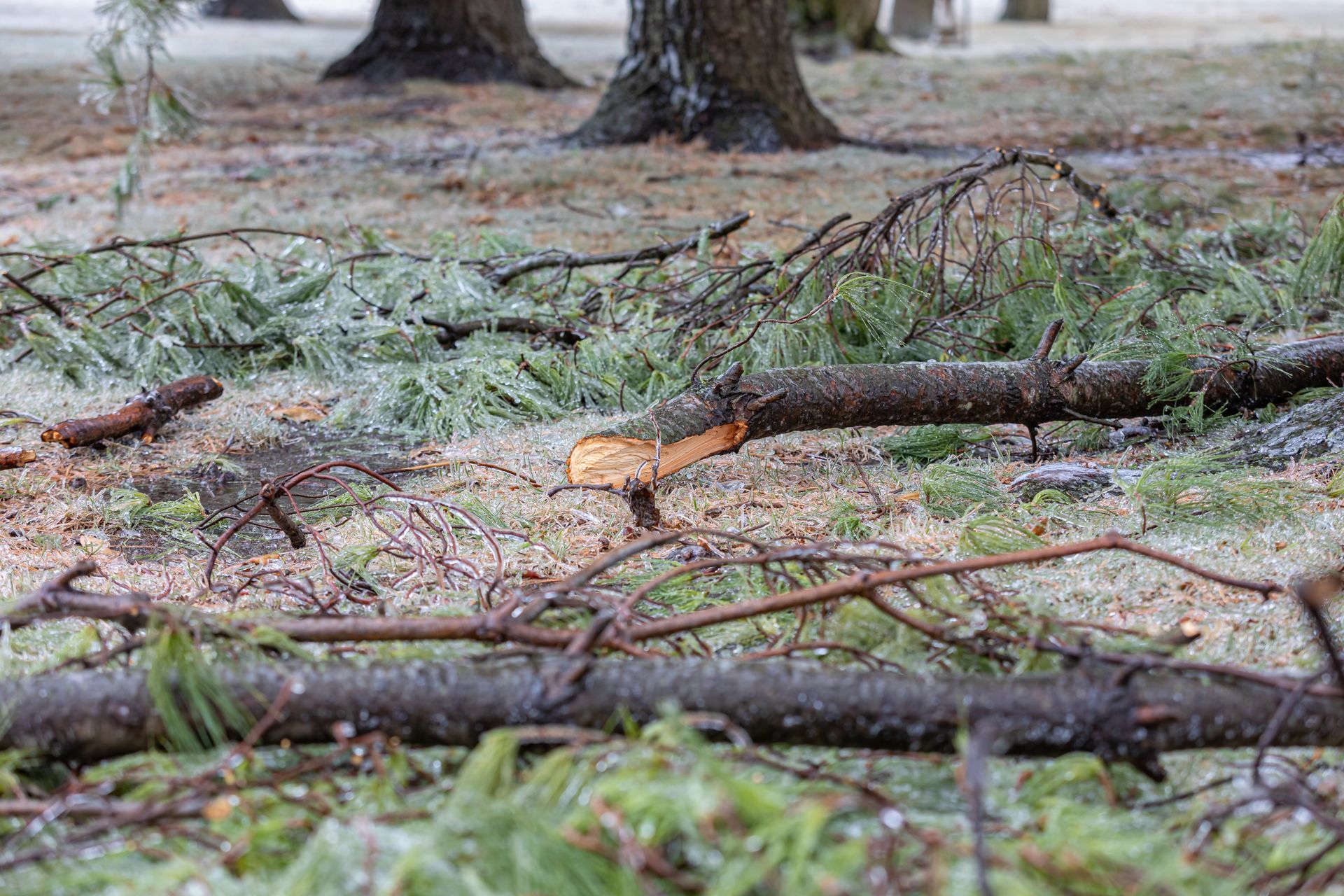
When a tree becomes unstable or unhealthy, it can quickly turn into a serious safety risk. A hazardous tree can damage property, injure people, and create costly problems if left unaddressed. The key is recognizing the warning signs early so you can take action before the situation worsens. At Eden Landscaping & Tree Service, we provide expert hazardous tree removal in the greater Kennewick area. Here are five common signs that a tree may be hazardous and should not be ignored.
Splits in the Trunk
Visible cracks or deep splits in a tree’s trunk are a major red flag. These structural weaknesses can develop from storm damage or internal decay. Over time, they can compromise the tree’s ability to support itself, increasing the risk of the trunk splitting or collapsing. Vertical cracks, in particular, should be taken seriously and assessed by a professional.
Large Dead or Falling Branches
One of the most obvious signs of a hazardous tree is the presence of dead or falling limbs. Branches that are brittle, leafless, or breaking off without warning pose an immediate danger, especially during storms. Even a single large branch can cause significant damage if it falls. If you notice multiple dead limbs, it may indicate the tree is in decline and needs professional evaluation.
Significant Leaning
While some trees naturally grow at an angle, a sudden or increasing lean can signal trouble. This may indicate root damage or shifting soil. If the ground around the base appears lifted or cracked, the tree may be in the process of uprooting. A leaning tree, especially near a home or driveway, should be inspected as soon as possible.
Fungal Growth or Signs of Decay
The appearance of fungi, such as mushrooms growing at the base of the tree, often indicates internal decay. Other signs include soft or hollow areas in the trunk, peeling bark, or a musty odor. Decay weakens the tree from the inside, making it more likely to fail unexpectedly. These symptoms should never be ignored, as they often point to significant structural issues.
Damaged/Exposed Roots
When roots are damaged by construction, erosion, or severe weather, the tree may no longer be securely anchored. Exposed roots or disturbed soil around the base can be a sign that the tree is losing its foundation. Without strong roots, the risk of the tree falling greatly increases.
Tree Removal in Kennewick, WA
For
expert tree removal in Kennewick and the surrounding area,
contact Eden Landscaping & Tree Service at
509.289.5009. Feel free to give us a call to
arrange a tree services estimate in the Tri-Cities area!